Q&A: "I Missed a Mortgage Payment in Denver. Do I Have to Lose My House?"

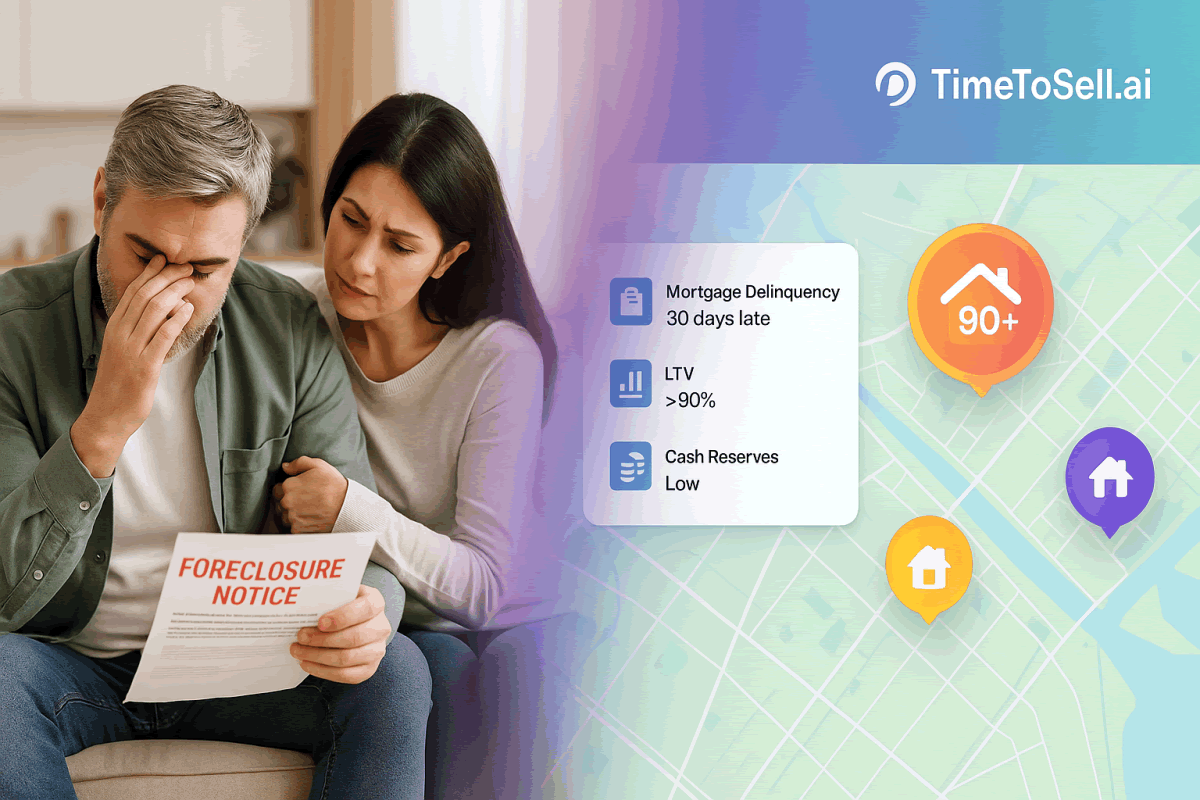
Navigating Pre-Foreclosure in Denver: How to Protect Your Equity, Credit, and Privacy Before the NED
Life has a way of moving fast, and sometimes, unexpected financial storms—medical emergencies, divorce, job transitions, or the compounding pressure of inflation—can cause Denver homeowners to fall behind on their mortgage payments. If you find yourself in this position, the first thing you must realize is that you are not alone, and you are far from powerless.
In the Denver metro real estate market, falling behind on mortgage payments does not automatically mean you are destined for the heartbreak of a public foreclosure auction. Because of the historic home equity run-up in the Front Range over the last decade, you likely possess a powerful financial shield: home equity. However, protecting that equity requires swift, strategic, and highly confidential action before the clock runs out.
As a fiduciary and hyper-local Denver real estate advisor, this guide is designed to walk you through your legal timelines, your strategic selling options, and how to execute a transition that preserves both your financial dignity and your credit score.
---The Colorado Foreclosure Timeline: Understanding the "NED"
To make informed decisions, you must understand how foreclosure works in Colorado. Unlike many states, Colorado utilizes a unique Public Trustee system. This system governs the foreclosure process, and it begins officially when your lender files a document known as a Notice of Election and Demand (NED).
The Golden Window: Before the NED is Filed
Before the NED is filed, your missed payments are a private matter between you and your mortgage servicer. Once you miss a payment, you typically enter a grace period, followed by a late status. Usually, after 90 to 120 days of delinquency, the lender will initiate the foreclosure process by sending the file to a local Colorado foreclosure attorney, who then files the NED with the County Public Trustee (e.g., Denver County, Arapahoe County, Jefferson County, or Adams County).
The 110-to-125 Day Clock
Once the Public Trustee records the NED, the clock starts ticking loudly. By Colorado law, the Public Trustee must schedule the foreclosure sale (the auction) no less than 110 days and no more than 125 calendar days from the date the NED is recorded.
- Public Exposure: The moment the NED is filed, it becomes a matter of public record. This is when your mailbox will begin overflowing with predatory offers from low-ball investors, and your front door may be knocked on by aggressive solicitors.
- The Right to Cure: You have the right to "cure" the default (pay the missed payments plus fees) up until noon on the day before the scheduled sale, but finding the cash to do so becomes increasingly difficult as legal fees pile up.
The Takeaway: Your absolute best window of opportunity to sell your home, cash out your equity, and protect your credit is before the NED is filed. However, even if the NED has already been recorded, you still have a 110-to-125-day window to execute a strategic sale and pay off the debt in full before the auction occurs.
---Why Selling is Your Best Escape Route
Many homeowners in financial distress freeze, hoping their situation will miraculously change. This "ostrich effect" can cost you hundreds of thousands of dollars. Here is why actively listing and selling your Denver home is almost always the superior financial move compared to letting the bank foreclose:
1. Preserving Your Hard-Earned Equity
According to recent market data, the average Denver homeowner has accumulated substantial equity over the past five to ten years. If your home goes to a Public Trustee auction, it will likely sell at a discount, and any excess funds can be eaten up by lender penalties, default interest rates, and legal fees. By selling the home on the market, you control the transaction, pay off the mortgage balance, and pocket the remaining cash to rebuild your life.
2. Saving Your Credit Score
A foreclosure is one of the most damaging events that can occur on a credit report. It can drop your credit score by 100 to 150 points or more and will remain on your credit profile for seven years. This can prevent you from renting a quality apartment, securing a car loan, or buying another home. A home sold voluntarily—even if you were behind on payments—is reported to credit bureaus simply as "paid in full" or "settled," allowing your credit to recover almost immediately.
3. Avoiding Deficiency Judgments
In Colorado, if a foreclosure auction does not yield enough money to cover your outstanding mortgage balance and the lender's fees, the lender can pursue a deficiency judgment against you. This means they can garnish your wages or seize other assets to recover the difference. Selling the property voluntarily eliminates this risk entirely.
---How to Sell Discreetly: The "Quiet Sale" vs. Smart MLS Listing
One of the biggest fears homeowners face is the social stigma of financial distress. You may worry about what your neighbors, co-workers, or family will think if they see your home listed as a foreclosure. You do not have to advertise your situation to the world. We have two highly effective strategies to handle this with absolute discretion:
Option A: The "Quiet Sale" (Off-Market)
For homeowners prioritizing absolute privacy, we can execute a Quiet Sale. Leveraging our deep network of vetted private buyers, institutional funds, and local Denver investors, we can bring qualified buyers to your home without ever putting a "For Sale" sign in your yard or uploading the property to the public MLS.
- No Public Showings: Avoid the stress of open houses and constant foot traffic.
- As-Is Transactions: These buyers typically purchase homes in their current condition, meaning you don't have to spend money on repairs you can't afford.
- Rapid Closings: Private sales can often close in as little as 10 to 14 days, beating the Public Trustee clock easily.
Option B: A Strategic MLS Listing (Zero Mention of Distress)
If your goal is to maximize every single dollar of equity, listing your home on the MLS (Multiple Listing Service) is the best route. However, we will never market your home as "distressed," "foreclosure-impending," or "short sale" unless absolutely legally required.
To the public and the local real estate community, your home will be presented as a premier, highly desirable Denver property. We use professional photography, high-end staging advice, and sophisticated digital marketing to attract traditional retail buyers who will pay top market value—all while keeping your financial timeline strictly confidential.
---Your Step-by-Step Action Plan
If you have missed one, two, or more mortgage payments, here is the exact playbook you need to follow right now:
- Request a Payoff Statement: Contact your mortgage servicer and request an official "Payoff Statement." This document tells us exactly how much is owed to satisfy the loan completely, including any accrued late fees.
- Determine Your Home's True Value: Do not rely on automated online estimates (Zestimates), which are notoriously inaccurate in Denver's nuanced neighborhood pockets. Contact us for a hyper-local, comparative market analysis (CMA) to determine exactly what your home will sell for in today's market.
- Calculate Your Net Proceeds: Subtract your payoff amount and standard closing costs from the estimated sale price. This will show you exactly how much cash you will walk away with at the closing table.
- Choose Your Strategy: Decide whether a rapid "Quiet Sale" or a traditional, equity-maximizing MLS campaign fits your timeline and emotional needs.
Time is Your Enemy—But Action is Your Ally
The most important factor in saving your equity and your credit is time. The earlier you initiate this process, the more leverage you have. Once the Public Trustee auction date is set, your options narrow, and your stress levels will rise.
As a dedicated Denver real estate professional, my fiduciary duty is to protect your interests, your family, and your financial future. Every conversation we have is protected by strict professional confidentiality.
Do not let the bank dictate your financial future. Contact us confidentially today, and let’s build a customized plan to get you through this transition with your equity, your credit, and your dignity fully intact.