Q&A: "I See a Crack in My Foundation. Can I Still Sell in Centennial?"

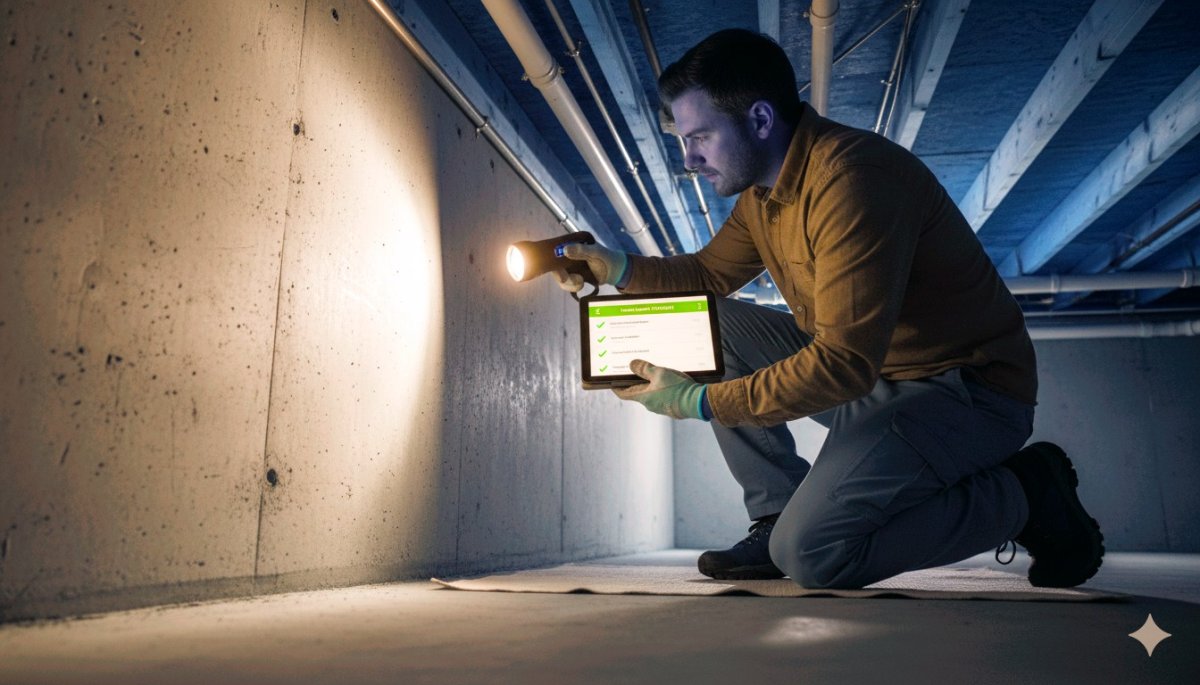
The Centennial Homeowner’s Guide to Expansive Soils: How to Protect Your Equity and Sell Without Fear
Centennial, Colorado is consistently ranked as one of the most desirable places to live in the Denver metro area. From the highly rated Cherry Creek and Littleton public schools to the mature, tree-lined streets of Willow Creek, Cherry Knolls, and the sprawling estates of Piney Creek, our housing market is historically robust. However, beneath the manicured lawns and pristine cul-de-sacs of Arapahoe County lies a geological sleeping giant that every homeowner and prospective seller must understand: expansive bentonite clay soils. In Colorado, soil movement is not an "if"—it is a "when." If you are preparing to sell your Centennial home and have noticed a crack in your basement floor or drywall, you might be feeling a sense of dread. But a crack does not mean your home is unsellable. In fact, handling this common local issue with transparency and strategic foresight can protect your equity, insulate you from legal liability, and ensure a seamless transaction. ---The Science of Centennial Soils: Why Our Ground Moves
To successfully navigate a home sale in Centennial, you must first understand the ground beneath your feet. The Front Range of Colorado sits atop the Denver Basin, a geological formation rich in bentonite clay.
Bentonite is highly expansive. When it absorbs water from spring snowmelts, heavy summer downpours, or over-irrigated garden beds, it swells dramatically. Conversely, during dry autumns and winters, the soil shrinks. This relentless cycle of swelling and shrinking exerts immense hydrostatic pressure on residential foundations.
- Slab-on-Grade Foundations: Common in older Centennial neighborhoods built in the 1970s and 1980s, these concrete slabs sit directly on the soil and are highly susceptible to heaving and cracking.
- Structural Wood Floors: Many newer homes in southeast Centennial utilize structural basement floors, which create a void between the concrete and the soil to mitigate movement. However, even these systems require active maintenance.
When this soil shifts, it manifests as sticking doors, uneven floors, cracks in exterior brickwork, or diagonal fissures in basement drywall. While these symptoms are alarming to buyers, they are a standard part of owning real estate along the Front Range.
---The Ultimate Disclosure Rule: Why "Hiding It" is a Financial Death Sentence
When sellers spot a fresh crack in their basement wall, their first instinct is often defensive: "Can we just patch this, paint over it, and hope the buyer doesn't notice?"
As your fiduciary real estate advisor, my answer is unequivocal: Never.
Under Colorado law, sellers are legally obligated to disclose any known material latent defects on the Colorado Real Estate Commission (CREC) Seller's Property Disclosure form. Attempting to conceal foundation movement is a fast track to a post-closing lawsuit.
Consider the mechanics of a modern real estate transaction in Centennial:
1. Savy Buyers and Elite Inspectors
With Centennial's median home price hovering well above national averages, buyers are paying a premium. They hire highly trained home inspectors who know exactly where to look for signs of foundation distress—such as freshly painted drywall patches in unfinished utility rooms or newly laid sod hiding sloped perimeter grading.
2. The Threat of Post-Closing Litigation
If a buyer discovers that a foundation issue was knowingly concealed, they can sue for fraud, negligent misrepresentation, and breach of contract. In Colorado, the losing party in these lawsuits often has to pay the winner's attorney fees, turning a minor foundation repair into a six-figure legal nightmare.
Transparency is your ultimate shield. Disclosing a foundation issue upfront immediately shifts the risk to the buyer and establishes a foundation of trust that keeps deals together.
---The Pre-Listing Structural Audit: A $500 Investment That Saves a $700,000 Deal
If you suspect soil movement has impacted your home, the worst thing you can do is wait for the buyer’s inspector to find it. At that point, the buyer has all the leverage, panic sets in, and they will likely terminate the contract or demand astronomical price drops.
Instead, we take a proactive, offensive approach before your home ever hits the Centennial MLS.
We bring in a licensed, independent structural engineer.
There is a critical distinction between a structural engineer and a foundation repair contractor:
- Foundation Repair Contractors are salespeople. They have a financial incentive to find problems and recommend expensive piering systems that can cost tens of thousands of dollars.
- Licensed Professional Engineers (PEs) do not perform repairs. They charge a flat fee (usually between $500 and $800) to provide an unbiased, scientifically backed evaluation of your home’s structural integrity.
If the engineer’s report concludes that the cracking is merely "cosmetic settling" typical of Centennial's geology, you can upload this report directly to the MLS. This single document turns a scary question mark into an official, stamped exclamation point. A $500 engineering report can easily save a $700,000+ transaction from falling apart during the inspection objection phase.
---Strategic Pricing and Repair Bids: Taking the Fear Out of the Transaction
What happens if the structural engineer’s report reveals that your home *does* require structural stabilization, such as push piers, helical piers, or carbon fiber wall straps?
We do not panic. We strategize.
If repairs are required, we immediately solicit bids from 2 to 3 reputable, licensed foundation repair companies in the Denver metro area. Having these bids in hand before listing your home changes the entire dynamic of the negotiation:
| Scenario | Buyer's Reaction (Without Bids) | Our Position (With Bids & Engineering Report) |
|---|---|---|
| The "Unknown" Crack | "The foundation is cracked! The house is falling down! We want a $50,000 price reduction or we are walking." | "The engineer has identified the issue. We have a certified bid for exactly $12,500 to install piers. We will credit this amount to the buyer at closing." |
| Escrow & Funding | Lender refuses to fund the loan because of structural uncertainty. | Lender approves the loan because there is a clear, engineered scope of work and a professional path to resolution. |
By presenting the problem alongside the exact, quantified solution and a transferable lifetime warranty, you remove the fear. Buyers do not walk away from homes with foundation issues; they walk away from uncertainty.
---Positioning and Marketing: Turning a Challenge into a Selling Point
With the right positioning, a home that has undergone structural remediation can actually be more attractive to a buyer than a neighboring home that hasn't been touched.
When we market your property, we highlight the engineering report and the completed repairs as a premium upgrade. We tell the buyers: "This home has been structurally engineered, stabilized, and warrantied for the next 30 years. You are buying the most stable house on the block."
In a competitive market like Centennial, where savvy buyers know that expansive soils are a constant threat, buying a home that has already been professionally stabilized offers unparalleled peace of mind.
---Protect Your Home’s Equity with Centennial’s Local Experts
Selling a home with foundation or soil issues requires a sophisticated, fiduciary approach. It is not about hiding the truth; it is about mastering the narrative through science, professional documentation, and strategic negotiation.
If you are considering selling your home in Centennial and want to discuss a confidential, pre-listing walkthrough of your property, contact my office today. Together, we will assess your property, protect your equity, and ensure your home sale is a resounding success.